Kendall Florida Pest Management | Complete Interior & Exterior Treatments

Kendall Florida Pest Management | Complete Interior & Exterior Treatments

Signs You Need to Invest in Kendall FL Pest Control Services

Sanitation worker in protective suit is disinfecting office desk before the reopening of the business Sanitation worker in protective suit is disinfecting office desk before the reopening of the business. Desktop PC on the desk. Post Coronavirus Covid-19 concept. Pest Control stock pictures, royalty-free photos & images

Pests can be more than just a nuisance; they can pose serious risks to your property, health, and overall well-being. While some infestations may seem manageable at first, there are certain signs that indicate it’s time to call in professional pest control services. Here are seven key indicators that you may need expert intervention.

If you’re frequently seeing pests such as ants, cockroaches, rodents, or spiders—especially during the day—it may indicate a larger infestation. Many pests are nocturnal or naturally shy, so seeing them regularly could suggest their population has grown significantly.

Chewed wires, gnawed furniture edges, shredded insulation, and damaged food packaging are classic signs of pest activity—especially from rodents or termites. Left unaddressed, this type of damage can lead to costly repairs and even pose safety risks like electrical fires from exposed wiring.

Pest Type Typical Dropping Appearance Additional Notes
Rodents Small pellets Found near food storage
Cockroaches Dark specks (coffee-like) Seen in kitchen cabinets
Bats Crumbly droppings (guano) Often near attics

Certain pests produce distinctive odors due to pheromones, droppings, or nesting materials:
– A strong ammonia-like smell may indicate a rodent infestation.
– A musty odor could suggest mold caused by termites or water bugs breaking into damp areas. – Oily odors might point toward cockroach activity.

Similarly, warped window frames and doors might point toward pest-related moisture issues affecting your home’s structural integrity.

Scratching sounds within walls or ceiling cavities often point to rodents like rats and mice nesting indoors. Other audible signs include scurrying noises at night or faint rustling caused by insects like carpenter ants inside wooden structures.

Examples of Common Noise Sources:
Rats/Mice: Scratching and squeaking sounds behind walls.Bats: Fluttering wings near attic spaces.Termites/Ants: Faint rustling noises inside woodwork.

If you’ve tried over-the-counter sprays or traps without success—or find the problem keeps recurring—it’s a sign that professional intervention is necessary. Experts use advanced methods like integrated pest management (IPM) strategies and specialized tools for long-term results that are safer for both humans and pets.

Professional pest control services not only address current infestations but also help prevent future problems through thorough inspections and customized treatment plans designed for your specific needs. Ignoring these warning signs could worsen infestations over time, leading to more extensive damage and potential health risks down the line.

How Schools Can Work With an Exterminator Kendall FL to Manage Increased Rodent Activity During Cooler Months

As temperatures begin to drop, rodents such as mice and rats actively seek warmth, shelter, and food. Schools, with their large facilities, numerous hiding spaces, and food sources, can become prime targets for rodent activity during cooler months. Effective management of this issue is critical to maintaining a safe and healthy environment for students and staff. Below are actionable steps schools can take to address increased rodent activity.

Common Signs of Rodent Activity in Schools

Identifying signs of rodent infestations early is vital.

  • Droppings: Small pellet-like droppings around food storage areas or along walls.
  • Gnaw Marks: Evidence of chewing on furniture, wires, or packaging.
  • Noises: Scratching or scurrying sounds in walls or ceilings.
  • Nesting Materials: Shredded paper, fabric, or insulation used by rodents to create nests.
  • Tracks: Footprints or tail marks visible on dusty surfaces.

Regular inspections by custodial staff can help identify these signs promptly.

Steps Schools Can Take to Prevent Rodent Infestations

Prevention is always more effective than dealing with a full-blown infestation.

  1. Inspect buildings for cracks around doors, windows, vents, and utility lines.
  2. Use steel wool or caulk to seal small gaps (rodents can squeeze through openings as small as ¼ inch).
  3. Store all food items in airtight containers made of metal or heavy-duty plastic.
  4. Implement policies requiring classrooms to remove leftover snacks daily.
  5. Regularly vacuum classrooms and dining areas.
  6. Empty trash bins daily and ensure they have tight-fitting lids.
  7. Trim overgrown vegetation near building foundations.
  8. Keep dumpsters away from entrances and ensure they are regularly emptied.
  9. Train staff on recognizing signs of rodent activity.
  10. Encourage students not to leave food crumbs or wrappers in classrooms.

Integrated Pest Management (IPM) Strategies for Schools

Schools should adopt an Integrated Pest Management approach that prioritizes non-chemical methods while using pesticides only as a last resort.

IPM Principle Examples
Monitoring Regular inspections for pest activity
Identification Correctly identifying the pest species
Prevention Sealing entry points; improving sanitation
Control Using traps; applying bait stations

By combining these strategies with routine maintenance efforts, schools can effectively minimize the risk of rodent infestations without overreliance on chemical treatments.

When Should Schools Call Pest Control Professionals?

  • Persistent signs of infestation despite preventive efforts.
  • Structural damage caused by gnawing rodents (e. g. , wiring damage).
  • Potential health risks due to contamination by droppings or urine.

Professional pest control companies offer specialized solutions such as advanced trapping systems and eco-friendly techniques tailored for sensitive environments like schools.

Investing time in prevention and regular maintenance will significantly reduce the likelihood of rodent issues disrupting the school environment during cooler months. A proactive approach ensures safety while protecting the well-being of students and staff alike.

Effective Pest Removal Kendall FL: How Schools Can Manage Increased Rodent Activity During Cooler Months

As temperatures drop during the cooler months, rodents such as mice and rats seek warmth, food, and shelter indoors. Schools, with their expansive facilities and access to food sources, can become ideal environments for rodent infestations if not properly managed. Here are effective strategies schools can implement to address and prevent increased rodent activity.

Why Rodent Control is Crucial in Schools

Rodents are not just a nuisance—they pose significant health risks and can cause structural damage.

  • Health Risks: Rodents are carriers of diseases like salmonella, hantavirus, and leptospirosis.
  • Allergens: Their droppings, urine, and dander can trigger allergies or asthma symptoms in sensitive individuals.
  • Structural Damage: Rats and mice gnaw on wires, wood, and insulation, which could lead to electrical fires or compromised infrastructure.

Given these risks, proactive pest control measures are essential for maintaining a safe educational environment.

Signs of Rodent Activity in Schools

It’s important for school staff to recognize signs of a rodent problem early.

  • Droppings: Small, dark droppings found near food storage areas or along baseboards.
  • Gnaw Marks: Evidence of chewing on furniture legs, electrical cables, or walls.
  • Nest Materials: Shredded paper, fabric, or insulation used by rodents to create nests in hidden areas.
  • Nocturnal Noises: Scratching or scurrying sounds in walls or ceilings at night.
  • Grease Trails: Dark smudges along walls where rodents frequently travel.

Being vigilant about these signs allows staff to take swift action before the infestation escalates.

Sanitation worker in protective suit is disinfecting office desk before the reopening of the business Sanitation worker in protective suit is disinfecting office desk before the reopening of the business. Desktop PC on the desk. Post Coronavirus Covid-19 concept. Pest Control stock pictures, royalty-free photos & images

Preventive Measures for Schools

Implementing preventive measures can significantly reduce the risk of rodent infestations in schools during cooler months.

  1. Conduct an inspection of the building exterior to identify gaps around doors, windows, pipes, vents, and foundations.
  2. Use steel wool or caulking to seal holes as small as ¼ inch since rodents can squeeze through tiny openings.
  3. Store food in airtight containers made from heavy-duty plastic or metal.
  4. Ensure cafeterias have tight cleaning schedules that prioritize sweeping floors and sanitizing surfaces immediately after meals.
  5. Use trash bins with secure lids both inside classrooms and outdoors near playgrounds.
  6. Schedule regular waste removal services to avoid overflowing dumpsters that attract pests.
  7. Schedule weekly inspections of storage rooms, classrooms with snacks or art supplies (which sometimes include paper goods), basements/boiler rooms where warmth attracts pests.
  8. Train Staff & Students Training custodial staff help better monitoring gaps yearly
Summary

Through bullet point

Top Winter Pest Entry Points Identified by a Pest Control Company Kendall FL

Winter often brings a surge in pest activity as insects and rodents seek warmth and shelter indoors. Both homeowners and business owners can unknowingly provide easy entry points for these pests, leading to infestations that are costly and challenging to manage. Identifying these overlooked access points is critical for effective pest prevention.

Common Pest Entry Points

Pests are opportunistic and can exploit even the smallest weaknesses in a building’s structure.

  • Gaps Around Doors: Poorly sealed doors, especially those with worn weather stripping, allow pests like rodents, spiders, and cockroaches to enter seamlessly.
  • Cracks in Walls or Foundation: Small cracks or crevices in a building’s foundation or walls can serve as an open invitation for ants, termites, or mice.
  • Unsealed Utility Openings: Areas where pipes, cables, or wiring enter the building often have gaps that pests use as entryways.
  • Roof Vents and Chimneys: Birds, squirrels, bats, and other pests can access attics through unprotected vents or chimneys without proper caps.
  • Windowsills and Frames: Poorly fitted windows or decayed frames make it easy for insects like wasps or flies to get indoors.
  • Drainage Systems: Drains without screens can attract pests such as cockroaches that thrive in damp environments.

Steps to Seal Vulnerable Entry Points

Addressing these access points is key to minimizing pest activity during winter months.

  1. Conduct a thorough examination of your home or business at least once per season. Pay close attention to less obvious areas such as crawl spaces and attics.
  2. Use caulk or expanding foam to fill any gaps around windows, doors, foundations, or utility lines.
  3. Add door sweeps on all exterior doors to eliminate gaps at the bottom where pests may enter.
  4. Replace damaged weather stripping around doors and windows to ensure a tight seal.
  5. Install mesh screens over roof vents and chimney caps to keep wildlife out while maintaining proper ventilation.
  6. Keep garages, basements, or sheds organized so there are fewer places for pests to hide once inside.

The Cost of Ignoring These Entry Points

Failing to address potential entryways allows infestations to develop unchecked. Rodents can chew through insulation or electrical wires—creating fire hazards—while insects like termites weaken structural integrity over time. Additionally, businesses risk losing customers due to visible pest problems that may damage their reputation.

Entry Point Potential Pests Recommended Solution
Doors Rodents, cockroaches Install door sweeps; repair seals
Foundation cracks Ants, termites Fill with caulk/expanding foam
Roof vents Birds, squirrels Add mesh screens
Utility openings Mice Seal with weather-resistant foam

By proactively identifying vulnerabilities during winter preparations, you reduce the likelihood of significant pest issues later on while creating a safe environment within your residential or commercial property for everyone who uses it year-round.

Essential Pest Control Services Kendall FL: Protect Your Home During Peak Winter Travel Season

Bed bugs are a growing concern for travelers, particularly during the winter holiday season when people are on the move visiting family or taking vacations. These tiny pests can hitch a ride in luggage, clothing, or personal belongings, making it essential for homeowners to take proactive measures to minimize their risk. Below are practical tips that can help safeguard your home against bed bug infestations during peak winter travel periods.

Pre-Trip Preparation

To reduce the likelihood of encountering bed bugs while traveling, preparation is key.

  • Select accommodations carefully: Research hotels and rental properties online. Look at reviews on trusted platforms that mention cleanliness and pest control practices.
  • Pack strategically: Use hard-shell luggage, as it is more difficult for bed bugs to penetrate. Enclose clothing and other belongings in plastic zip-top bags for extra protection.
  • Bring essentials: Carry a flashlight and magnifying glass in your travel kit for inspecting sleeping areas upon arrival.

Inspecting Your Accommodation

Once you arrive at your destination, it’s important to thoroughly inspect the space where you’ll be staying.

  1. Inspect bedding and furniture: Examine mattresses, box springs, headboards, and upholstered furniture. Pay attention to seams, crevices, and folds where bed bugs often hide.
  2. Check corners of the room: Inspect baseboards, electrical outlets, curtains, and other hidden areas near sleeping quarters.
  3. Avoid placing luggage on beds or floors: Instead, use luggage racks or place items in the bathroom where there are fewer hiding spots.

During Your Stay

  • Keep all personal belongings zipped up inside plastic bags when not in use.
  • Store suitcases off the floor or on a metal rack away from walls.
  • Avoid unpacking clothing into drawers unless you’ve verified they’re clean.

Post-Travel Measures

  1. Inspect luggage outdoors: Before entering your house with suitcases or bags, inspect them carefully using a flashlight.
  2. Wash and dry clothes immediately: Launder all clothing—even unworn items—in hot water (at least 120°F), as heat effectively kills bed bugs.
  3. Vacuum thoroughly: Use a vacuum cleaner with strong suction to clean out luggage interiors as well as carpets near entry points where bags may have been placed.

Cleaning and Disinfection outside around buildings, the coronavirus epidemic. Professional teams for disinfection efforts. Infection prevention and control of epidemic. Protective suit and mask. Professional specialist full protective cleaning outside. Cleaning and Disinfection outside around buildings, the coronavirus epidemic. Professional teams for disinfection efforts. Infection prevention and control of epidemic. Protective suit and mask. Professional specialist full protective cleaning outside. Pest Control stock pictures, royalty-free photos & images

Task Action Required
Inspect Luggage Check zippers/seams; clean outdoors
Wash Clothing Use hot water (120°F) & high dryer heat
Clean Suitcase Interior Vacuum all compartments thoroughly

Preventative Measures at Home

  • Encase mattresses and box springs in protective covers designed specifically for bed bug prevention.
  • Declutter living spaces to eliminate hiding spots.
  • Regularly vacuum bedrooms and living areas to remove potential eggs or larvae.

By integrating these tips into your travel routine and daily home care practices during the winter season, you can significantly lower the risks associated with bed bugs while achieving peace of mind during peak travel periods. Taking proactive steps now will help ensure a pest-free environment year-round while minimizing costly treatments later on.

Effective Strategies for Pest Control in Residential and Commercial Properties

Pest control is a critical aspect of maintaining the safety, cleanliness, and comfort of both residential and commercial spaces. Implementing effective strategies helps prevent infestations, safeguards health, and protects property from damage. Below are some key strategies to consider for managing pests effectively.

Regular Inspections

Routine inspections are essential to identifying pest problems early. Both residential and commercial property owners should schedule regular professional assessments to check for signs of pest activity.

  • Droppings or urine stains
  • Gnaw marks on wires or wood
  • Damaged food packaging
  • Unusual odors or sounds (e. g.

Consider developing an inspection schedule based on the property type.

Property Type Inspection Frequency
Residential Homes Quarterly
Restaurants Monthly
Warehouses Bi-Monthly

Seal Entry Points

Both homes and businesses should focus on sealing potential entry points to prevent pests from getting inside. Pests like rodents, ants, and cockroaches often exploit small gaps in structures for entry.

  • Cracks in walls or foundations
  • Gaps around doors and windows
  • Openings near utility lines and pipes
  • Ventilation systems

Use silicone caulk or weather stripping to seal these gaps effectively.

Proper Waste Management

  1. Use garbage bins with tight-fitting lids.
  2. Dispose of trash regularly to avoid accumulation.
  3. Keep outdoor dumpsters at least 20 feet away from building entrances.
  4. Clean up food debris promptly in dining areas, kitchens, and other high-risk zones.

By removing access to food sources, the likelihood of infestations will decrease significantly.

Integrated Pest Management (IPM)

Integrated Pest Management (IPM) emphasizes long-term pest prevention through environmentally responsible methods rather than relying solely on chemical treatments.

  • Monitoring pest populations
  • Identifying species-specific vulnerabilities
  • Using targeted treatments like bait stations or traps
  • Relying on eco-friendly alternatives such as diatomaceous earth or natural repellents

IPM is particularly advantageous for businesses that prioritize sustainable practices.

Employee Education (For Commercial Spaces)

In commercial properties such as restaurants, warehouses, schools, or offices, educating employees about pest prevention can add another layer of protection against infestations.

  1. Store food in airtight containers.
  2. Avoid leaving food out overnight.
  3. Report any pest sightings immediately.
  4. Maintain clean workstations.

Having clear protocols ensures all team members play a role in maintaining a pest-free environment.

Routine Maintenance

  • Repair leaky pipes that could create moist environments conducive to pests like termites or cockroaches.
  • Clear debris from gutters where insects might breed.
  • Trim landscaping near buildings to prevent pests like ants from gaining easy access indoors.

By combining maintenance efforts with other preventive measures, you reduce the chances of harboring hidden infestations.

Professional Assistance

If you’re dealing with persistent issues despite preventive efforts, hiring professional pest control services can provide customized solutions tailored to your needs. Professionals use advanced tools and techniques designed to address specific infestations—whether it’s eradicating bed bugs in apartment complexes or managing rodents in warehouses.

Effective strategies not only eliminate current problems but also prevent future infestations by addressing root causes systematically across all types of properties—residential and commercial alike.

Signs You Need to Invest in Professional Pest Control Services

Keeping your home or business free from pests is key to maintaining a safe, hygienic, and comfortable environment. While DIY pest control methods can be effective for minor problems, there are times when professional help is essential. Here are seven clear signs that it’s time to invest in professional pest control services.

If you frequently see pests such as cockroaches, ants, rodents, or spiders despite your best efforts to remove them, this indicates a larger-scale infestation. Spotting pests during the daytime is often a sign the population has grown significantly.

Pests like termites and rodents can cause serious damage to your property.
Chewed wires or furniture– A sign of rodent activity.
Hollow-sounding wood– Indicates termites may have weakened wooden structures.
Damaged walls or floors– Could result from burrowing insects or larger pests seeking shelter.

Such damages are not only unsightly but can compromise structural integrity and safety.

Finding droppings or urine stains in hidden corners or along baseboards is one of the most visible indicators of pest activity.

Pest Type Dropping Characteristics Location Examples
Rodents Small black pellets Near food sources, attics
Cockroaches Coffee-ground-like spots Kitchen cabinets, crevices
Bed Bugs Rust-colored stains Mattresses, bed frames

Even after cleaning these areas, reoccurring evidence points to an ongoing infestation that requires professional intervention.

Pests such as rodents emit musky odors due to their nesting materials and droppings. Dead pests trapped in walls or crawl spaces can also produce unpleasant smells that linger indoors.

An uptick in allergy symptoms like sneezing, skin irritation, or watery eyes can signal a pest problem.
– Cockroach droppings and shed skin are common allergens. – Dust mites thrive in unclean spaces with high humidity. Professional pest control services not only address the infestations but ensure allergens are minimized for better air quality.

If you hear scratching or scurrying sounds at night emanating from walls, ceilings, or beneath floors, it’s likely caused by nocturnal pests such as rats, mice, or other critters establishing nests within your property.

When over-the-counter sprays and traps fail to eliminate pests long-term—or even worsen infestations—it’s time for expert assistance. Professionals have advanced tools and industry expertise for precise pest elimination tailored specifically to your problem.

Why Timely Action Matters

Ignoring these warning signs can allow infestations to grow unchecked, leading to:
1. Higher repair costs due to structural damage. 2. Increased health risks from bacteria spread by pests. 3. Difficulty recovering from severe infestations over time.

By identifying these signs early on and consulting with licensed pest control professionals, you protect both your property and well-being effectively.


Essential Tips for Effective Kendall FL Pest Control in Maintaining a Healthy Home

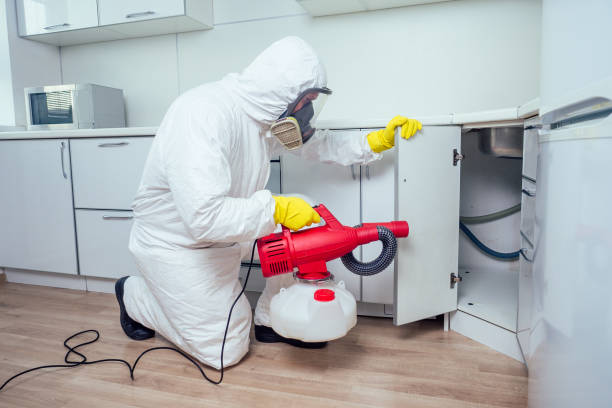
Young male exterminator worker spraying insecticide chemical in kitchen Young male exterminator worker spraying insecticide chemical in kitchen Pest Control stock pictures, royalty-free photos & images

Pest control plays a vital role in ensuring the safety, health, and comfort of your home. While pests such as rodents, insects, and other unwanted critters may seem like minor inconveniences at first, they can quickly escalate into significant problems that impact both your living environment and well-being.

Why Pest Control Matters

  • Health Risks: Pests are carriers of diseases that can affect humans and pets. For instance:
  • Rodents can spread hantavirus and leptospirosis.
  • Cockroaches are known to trigger allergies and asthma.
  • Mosquitoes transmit illnesses like malaria, dengue fever, and the West Nile virus.
  • Property Damage: Certain pests can destroy structural elements of your home or household items:
  • Termites consume wood and weaken foundations.
  • Rodents chew through electrical wiring, increasing fire risks.
  • Carpet beetles and moths damage fabrics like carpets, clothing, and furniture.
  • Food Contamination: Pests often invade kitchens or pantries in search of food. Their presence can lead to contamination of food supplies with bacteria like salmonella or E. coli.

Benefits of Proactive Pest Control

  1. Improved Hygiene: Regular pest management minimizes the chances of contamination by eliminating potential breeding grounds for harmful organisms.
  2. Cost Savings: Preventive measures help avoid expensive damage repairs caused by termites or other destructive pests. Addressing issues early is far more economical than dealing with widespread infestations later.
  3. Peace of Mind: Knowing your living space is free from disease-carrying pests fosters mental well-being for you and your family.

Steps Toward Effective Pest Management

  • Routine Inspections: Schedule regular checks around entry points (doors, windows), basements, attics, kitchens, bathrooms, and any areas prone to moisture accumulation.
  • Proper Waste Management: Dispose of garbage promptly in sealed containers to avoid attracting flies or rodents.
  • Seal Entry Points: Close gaps around doors/windows using weather stripping or caulking to minimize entry opportunities for pests.
  • Maintain Cleanliness: Wipe down counters after meals; vacuum regularly; store dry goods in sealed containers; clean up spills promptly.
Common Areas Prone to Infestation Examples of Associated Pests
Kitchen Ants, cockroaches
Basement Spiders, silverfish
Attic Rodents (mice/rats), wasps
Garden/Lawn Mosquitoes, termites

By recognizing the importance of pest control early on and taking appropriate action steps listed above, homeowners can safeguard their property while promoting healthier living conditions for all occupants.

How to Prevent Pest Infestations with Help from an Exterminator Kendall FL

Pest infestations can become a significant issue for homeowners if not addressed promptly. Understanding what attracts pests and how to mitigate these factors is essential in preventing an infestation. Below, we explore the common causes of pest infestations and provide actionable prevention strategies.

Common Causes of Pest Infestations

  1. Access to Food Sources
    Pests such as rodents, ants, and cockroaches are naturally drawn to food that is left out or improperly stored. This includes crumbs, uncovered leftovers, pet food, and improperly sealed pantry items.
  2. Availability of Water
    Moisture attracts a variety of pests, including mosquitoes, termites, and cockroaches. Leaking pipes, standing water in drains or outdoors, and high humidity levels in certain areas of the home provide suitable breeding grounds.
  3. Shelter or Entry Points
    Small cracks, gaps around windows or doors, broken screens, or other structural vulnerabilities offer easy access for pests looking for shelter from weather conditions.
  4. Cluttered Spaces
    Cluttered basements, garages, attics, or storage spaces provide hiding spots for pests like spiders, rodents, and insects that thrive in dark corners.
  5. Outdoor Factors
    Overgrown vegetation near homes can lead to pest migration indoors. Woodpiles close to the house also attract termites and other insects.

Preventing Pest Infestations

  1. Regularly sweep floors and wipe down surfaces to eliminate crumbs and spills that attract pests.
  2. Store food in airtight containers.
  3. Empty your trash bins regularly and ensure they have tightly sealed lids.
  4. Fix any leaking pipes or faucets promptly.
  5. Ensure proper drainage outside your home by redirecting water away from foundations.
  6. Use dehumidifiers in areas prone to excess moisture such as basements.
  7. Inspect your home’s exterior for cracks or gaps and seal them with caulk or weather stripping.
  8. Install door sweeps under exterior doors.
  9. Repair damaged window screens immediately.
  10. Organize storage areas by using sealed bins instead of cardboard boxes that can attract pests.
  11. Avoid excessive piles of newspapers or unused items where pests may hide.
  12. Trim back tree branches that touch the house to avoid providing pathways for pests.
  13. Keep grass mowed short and remove weeds regularly.
  14. Store firewood at least 20 feet away from the property’s foundation.

Table: Quick Guide to Prevention Methods

Cause Prevention Strategy
Access to Food Store food properly; clean kitchen daily
Water Availability Fix leaks; use dehumidifiers
Entry Points Seal cracks; repair screens
Clutter Declutter storage spaces
Outdoor Factors Maintain landscaping; store wood away

By addressing these key factors systematically through regular inspections and preventive measures, homeowners can significantly reduce the likelihood of pest infestations while maintaining a safe environment for their families.

Effective Pest Removal in Kendall FL: Causes of Infestations and Prevention Tips

Understanding the root causes of pest infestations is essential in keeping your home pest-free. Pests are typically drawn to environments that fulfill their basic needs, including food, water, and shelter. By identifying these causes and addressing them effectively, you can significantly reduce the likelihood of an infestation.

Common Causes of Pest Infestations

  1. Food crumbs on floors or countertops.
  2. Uncovered garbage bins.
  3. Dirty dishes left in sinks for extended periods.
  4. Leaking pipes or faucets that provide a constant water source.
  5. Standing water in yards, basements, or other areas around the house.
  6. Humid indoor conditions that attract pests like cockroaches and silverfish.
  7. Cracks or gaps in walls, windows, or door frames that allow pests to enter easily.
  8. Torn window screens providing open access for flying insects like mosquitoes and flies.
  9. Poorly sealed utility lines or vents leading into your home.
  10. Stacked newspapers or cardboard boxes that create hiding spots for pests such as rodents and cockroaches.
  11. Excessive storage items in attics, basements, or garages where pests can breed undisturbed.
  12. Overgrown vegetation close to your home providing a pathway for pests like ants and termites.
  13. Firewood stored too close to the house serving as a habitat for termites and spiders.
  14. Bright outdoor lights drawing flying insects toward windows and doors.

Prevention Strategies for Pest Infestations

  • Maintain Cleanliness: Keep all areas in the home clean by regularly vacuuming floors and wiping countertops to remove crumbs or spills that could attract pests.
  • Proper Food Storage: Store food products in airtight containers instead of leaving them exposed in cupboards or counters.
  • Fix Leaks Promptly: Check faucets, pipes, and roof areas regularly to ensure there are no leaks contributing to moisture buildup inside your property.
  • Seal Entry Points: Inspect and seal any cracks around windows, doors, walls, utility openings (like pipes), vents, chimneys, etc., which might allow pests easy access indoors.
  • Declutter Regularly: Dispose of unnecessary items such as old boxes/newspapers while organizing storage spaces more effectively.
  • Landscaping Maintenance: Trim shrubs/trees near exterior walls frequently; keep grass mowed short; avoid planting too close directly next entrances/doorways minimizing easy crossing paths into residential boundaries from critters commonly attracted towards natural foliage regions.

Bed Bug Infestation And Treatment Service Bed Bug Infestation And Treatment Service. Bugs Extermination Pest Control stock pictures, royalty-free photos & images

Key Risk Factors Prevention Methods
Food Left Uncovered Use sealed containers
Leaking Faucets Repair leaks immediately
Gaps & Cracks Seal entry points with caulk
Cluttered Spaces Organize storage; dispose old items
Overgrown Vegetation Keep landscaping maintained

Through consistent application of these preventive strategies combined w/ ongoing maintenance routines vigilance against potential threats arises safeguarding homes long-term stability reducing chances repeat pest-related disruptions exponentially over time

Top Services Offered by a Pest Control Company Kendall FL for Eliminating Household Pests

Managing and eliminating household pests effectively requires a combination of proactive measures, targeted treatments, and consistent monitoring. Household pests, such as rodents, cockroaches, ants, and termites, can pose health risks and cause structural damage if left unchecked. Below are practical strategies to help manage and eliminate these unwanted invaders.

1. Maintain a Clean Environment

Pests are often attracted to food sources and shelter. Keeping your home clean minimizes opportunities for infestations.

  • Store food in sealed containers.
  • Clean crumbs and spills immediately.
  • Empty trash bins regularly.
  • Reduce clutter in storage areas like basements or attics.
  • Dispose of unused cardboard boxes that can serve as nesting sites.
  • Fix leaky faucets to eliminate moisture sources.
  • Scrub tiles regularly to prevent mold growth that attracts pests like silverfish.

2. Seal Entry Points

Preventing pests from entering your home is one of the most effective defenses against infestations.

  • Inspect walls, doors, windows, and foundation cracks for gaps or openings.
  • Install weather strips on doors and repair torn window screens.
  • Use caulk or steel wool to seal small holes where rodents or insects might enter.

3. Use Natural Deterrents

Pest Natural Deterrent
Ants Vinegar spray around entry points
Mosquitoes Essential oils like citronella
Rodents Peppermint oil near suspected areas
Moths Cedar chips in closets

These methods are safe for families with children or pets while reducing reliance on chemical solutions.

4. Strategic Pest Traps

  • Rodent Traps: Snap traps or electronic traps work well for mice and rats.
  • Fly Traps: Sticky strips or UV light traps attract flying insects.
  • Cockroach Baits: Gel-based baits attract cockroaches to feed on poison.

Ensure traps are placed in high-pest activity areas such as near baseboards, along walls, or under furniture.

5. Implement Regular Home Inspections

  1. Check dark or undisturbed spaces such as under sinks and behind appliances for signs of activity.
  2. Monitor wood structures (e.g., furniture, beams) for evidence of termites or wood-boring beetles.
  3. Assess outdoor areas like gardens or trash storage spots where pests might gain access to your home.

Summary Table: Strategies at a Glance

Strategy Key Action
Maintain Cleanliness Remove food debris; clean frequently
Seal Entry Points Block cracks/gaps; repair window screens
Use Natural Deterrents Apply essential oils; use vinegar sprays
Set Strategic Traps Target specific pests with appropriate traps
Conduct Inspections Check hidden spaces regularly for pest activity

By applying these strategies consistently, you can create an environment that discourages pest infestations while addressing existing problems efficiently.

Effective Pest Control Services Kendall FL to Protect Your Property

Professional pest control services play a critical role in safeguarding your property from the damaging effects of pests. While minor infestations may sometimes be managed with DIY methods, larger or recurring pest problems often require the expertise and resources that only professionals can provide. Here’s an overview of how professional pest control services contribute to protecting your home or business.

Benefits of Hiring Professional Pest Control Services

  1. Professionals conduct thorough inspections to identify the type, extent, and source of infestations.
  2. They are trained to spot signs of pests that might go unnoticed during a casual check.
  3. Unlike one-size-fits-all DIY solutions, professional pest control involves tailored treatments based on specific infestations.
  4. These plans take into account factors such as the type of pests, property layout, and environmental considerations.
  5. Licensed technicians use advanced products and techniques that are both effective against pests and safe for occupants (humans and pets).
  6. They adhere to strict safety protocols and ensure minimal disruption while treating the property.
  7. In addition to eliminating current infestations, professionals focus on prevention by addressing entry points and breeding areas.
  8. They provide guidance on how to maintain a pest-free environment over time.

Comparing Professional Pest Control vs DIY Methods

Aspect Professional Pest Control DIY Methods
Expertise Certified technicians with specialized training Limited knowledge based on online research
Effectiveness High success rate with advanced tools May be ineffective for severe infestations
Long-Term Impact Focuses on elimination and prevention Often short-term relief
Safety Proper use of chemicals with minimal hazards Risky if instructions are not followed
Cost Higher initial cost but long-term savings Lower upfront cost but risk of recurring issues

When Should You Call a Professional?

  • Persistent or recurring infestations despite using DIY methods.
  • Presence of dangerous or hard-to-manage pests like termites, bed bugs, or rodents.
  • Structural damage caused by pests (e.g., wood damage from termites).
  • Situations requiring safe chemical handling due to children or pets in the house.

Long-Term Protection for Your Property

Engaging professional services is not just about eliminating visible pests; it is also about ensuring long-term protection for your home or workplace. Left unaddressed, some pest problems can lead to structural damage, health risks, or increased costs due to recurring issues.

By investing in professional pest control services early on, you not only save time but also protect your property’s value while maintaining a safe living environment for everyone involved.

Differentiating Between DIY Pest Control Methods and Professional Solutions

When it comes to dealing with pests in your home or business, deciding between do-it-yourself (DIY) pest control methods and hiring a professional service is an important consideration. Each approach has its benefits and drawbacks, and understanding the differences can help you make an informed decision that suits your specific situation.

Advantages of DIY Pest Control Methods

  • Cost-Effective: Products such as traps, sprays, or bait are widely available at relatively low prices compared to professional services.
  • Immediate Accessibility: Many DIY solutions can be purchased at local stores or online, allowing you to address minor infestations quickly.
  • Control Over Chemicals Used: With DIY methods, you have direct control over the type of products used in your home. Non-toxic or environmentally friendly options are widely accessible.

However, while these methods may work for small-scale issues, they often come with limitations when dealing with larger infestations.

A sanitary officer cleans and disinfects an office from Covid 19 A sanitary officer cleans and disinfects an office from Covid 19 Pest Control stock pictures, royalty-free photos & images

Limitations of DIY Pest Control

  • Lack of Expertise: Without a deep understanding of pest behavior and biology, identifying the root cause of infestations can be challenging.
  • Temporary Results: Many over-the-counter products treat symptoms rather than addressing the underlying problem, leading to reoccurring issues.
  • Potential Safety Risks: Improper handling or application of pesticides can pose risks to household members, pets, and the environment.

For extensive infestations or when dealing with pests that carry serious health risks (e.g., termites or rodents), professional services are often more effective.

Benefits of Professional Pest Control Services

Feature Description
Comprehensive Inspection Professionals perform detailed inspections to identify pests and entry points.
Targeted Solutions Tailored treatment plans are created based on the type and severity of infestation.
Long-Term Prevention Services often include preventative measures to minimize future invasions.
Expert Knowledge Licensed technicians understand pest behavior and use strategies accordingly.

In addition to offering effective treatments, professionals also use advanced equipment and regulated chemicals that may not be accessible for consumer use.

Choosing Between DIY vs Professional Solutions

  1. The size and scope of the infestation.
  2. The type(s) of pests involved.
  3. Your budget for pest management.
  4. Whether there are health concerns related to the pests.

For smaller issues like ant trails or a few spiders inside the house, a well-executed DIY approach may suffice. However, if you’re facing structural damage from termites or ongoing rodent activity that puts health at risk, professional assistance is likely necessary.

Both options have their place in maintaining a pest-free property; however, knowing when to escalate from DIY measures to expert help is essential for effective long-term results without compromising safety or comfort in your living space.

Recognizing the Health Risks Associated with Pest Infestations

Pest infestations are not just a nuisance; they pose serious health risks to you, your family, and even your pets. Understanding these risks is essential to taking appropriate action to eliminate pests from your home or property. Below, we delve into some of the most common health hazards associated with pest infestations.

Diseases Spread by Pests

Pest Diseases/Health Issues Mode of Transmission
Rats & Mice Hantavirus, Salmonella, Leptospirosis Contaminated food/water, droppings
Cockroaches Allergies, Asthma triggers, E. coli, Salmonella Contaminated surfaces and airborne allergens
Mosquitoes Malaria, West Nile Virus, Dengue Fever Bites
Ticks Lyme Disease, Rocky Mountain Spotted Fever Bites
Fleas Plague, Typhus Bites
Bed Bugs Allergic reactions (from bites), Insomnia Direct bites

Respiratory Issues Caused by Pests

  • Cockroach Droppings and Shedded Skin: Cockroaches produce allergens that can exacerbate asthma symptoms and trigger allergic reactions.
  • Rodent Urine and Droppings: Rodents leave behind waste that can dry up and become airborne. Inhaling it may cause respiratory illnesses like Hantavirus Pulmonary Syndrome (HPS).
  • Dust Mites: While technically not “pests” in the traditional sense (since they’re microscopic arachnids), dust mites thrive in homes with poor pest management practices like excess humidity. They can cause allergic reactions or worsen asthma.

Food Contamination

  • They contaminate food supplies with droppings, urine, or saliva.
  • Pathogens carried by these pests may lead to foodborne illnesses like salmonellosis or E. coli infections.

To minimize risk: – Always store food in airtight containers. – Regularly clean kitchen surfaces where food is prepared.

Mental Health Impacts of Pest Infestations

Pest infestations can also take a toll on mental well-being: – Persistent infestations often lead to stress or anxiety about health risks and property damage. – Bed bug infestations specifically are linked to insomnia due to discomfort from bites.

Practical Steps to Protect Your Health from Pests

To mitigate these health risks: 1. Conduct routine home inspections for signs of infestation (e.g., droppings, nests). 2. Keep living areas clean by vacuuming regularly and taking out garbage promptly. 3. Seal entry points such as cracks or gaps around windows, doors, or pipes. 4. Hire professional pest control services if an infestation is beyond DIY control.

By addressing infestations early on and maintaining preventative habits year-round, you safeguard both your physical health and overall quality of life from the adverse effects caused by pests.

How to Choose the Right Pest Control Solution for Your Needs

Selecting the most effective pest control solution for your specific needs can be a challenging task. The decision depends on several factors, including the type of pests, the extent of the infestation, safety considerations, and your budget. Below is a detailed guide to help you navigate this process.

Assessing Your Pest Problem

Before choosing a pest control solution, it’s essential to assess the details of your pest problem:
Identify the Pest: Determine what species you are dealing with. Common examples include rodents, cockroaches, termites, ants, or bed bugs. Each type of pest requires tailored solutions.
Evaluate Infestation Level: Is it a minor issue localized in one area or a widespread infestation? Severe cases often require professional intervention.
Consider Recurrence: Is this an isolated incident or part of an ongoing issue? Understanding patterns can influence long-term control strategies.

Factors to Consider When Selecting a Pest Control Solution

  1. Chemical Treatments: Often effective but can pose risks to humans, pets, and the environment if not used carefully. Suitable for severe infestations where immediate results are needed.
  2. Natural or Organic Solutions: Eco-friendly options that use natural repellents or biological methods such as introducing predators (e.g., ladybugs for aphid control). These are safer but may take longer to achieve results.
  3. Mechanical Methods: Techniques like traps and barriers work well for rodents and crawling pests with minimal chemical exposure.
  4. DIY Options: Over-the-counter sprays, traps, and baits are cost-effective for minor problems but may fall short on persistent infestations.
  5. Professional Services: Hiring licensed experts ensures thorough inspection, customized treatment plans, and prevention strategies—especially critical for termites or bed bug infestations.
  6. Safety Considerations Always prioritize solutions that comply with safety standards:
  7. Check product labels for toxicity levels.
  8. Ensure treatments align with household dynamics if pets or children are present.
  9. Confirm that professional services use environmentally responsible practices when required.
  10. Cost vs Long-Term Effectiveness While low-cost DIY treatments might appeal initially, they could prove expensive if infestations recur due to incomplete eradication:
Treatment Type Average Cost Range Ideal For
DIY Sprays & Baits $10–$50 Minor insect issues
Professional Inspection & Spot Treatment $150–$300 Targeted small-scale infestations
Full-Service Extermination Packages $400–$1,500+ Severe or recurring infestations

Questions to Ask Before Hiring Professionals

If opting for professional services is necessary: – Are they licensed and certified in pest management? – Do they offer guarantees on their work? – What follow-up measures will they provide? – Can they share references from past clients?

Preventative Measures Post-Treatment

Regardless of your chosen method: – Seal cracks and crevices around windows and doors. – Keep food stored in airtight containers. – Maintain cleanliness by removing indoor clutter where pests hide.


Clear Signs That Indicate You Need Kendall FL Pest Control Services

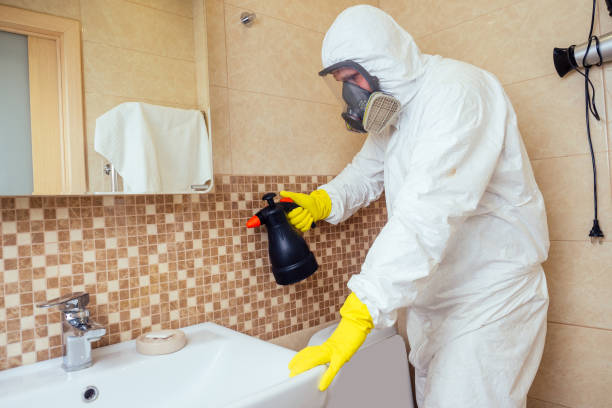
pest control worker spraying pesticides with sprayer in bathroom:processing the toilet and shower pest control worker spraying pesticides with sprayer in bathroom:processing the toilet and shower. Pest Control stock pictures, royalty-free photos & images

Pests can cause significant damage to property, spread diseases, and create an uncomfortable living environment. While some infestations may seem manageable at first, there are clear indications that professional pest control services are necessary. Identifying these signs early can save you time, money, and stress.

Occasional sightings might not always indicate a major problem, but frequent encounters suggest the need for expert intervention.


Rodent droppings are pellet-shaped and dark in color.
Insect droppings, such as those from cockroaches, resemble coffee grounds or black pepper granules.

Pests often leave signs of destruction on furniture, walls, wiring, and other materials:
– Chewed wires may indicate a rodent issue (which can also pose fire hazards).
– Gnawed wood could point to termites or carpenter ants.
– Holes in fabric or paper items could indicate silverfish infestation.

If you notice any of these forms of damage without explanation, it’s time for professional help.

Cockroach infestations often have a musty smell due to their secretions.

Hearing scratching sounds in walls at night? This may be due to rodents like mice or rats scurrying within your walls or ceiling spaces while foraging for food and nesting materials.

Noise Source Possible Culprit Common Areas
Scratching noises Rodents Walls/ceilings
Buzzing sounds Wasps/bees Near windows/attics
Clicking/crackling Termites Wood furniture/foundations

Pests often exploit small gaps in your property’s structure to gain entry and nest inside:
– Termites weaken wood structures by tunneling through them over time. – Mice and rats create holes near walls or flooring as they burrow for shelter.

Inspect areas like window frames and doorways regularly for signs of tampering by pests.

If you’ve attempted multiple do-it-yourself pest control methods without success—such as traps or sprays—it might indicate that the infestation is beyond your control level and requires professional-grade solutions only offered by licensed experts.

Why Call a Professional?

Hiring pest control specialists provides several advantages: 1) Accurate Identification:Professionals can pinpoint the type of pest involved based on evidence provided.Customized Treatment Plans:Experts tailor solutions per species type/severity/location-specific factors.Prevention Measures:They advise robust prevention techniques after eradication stages ensuring long-term relief/reductions risks altogether .

By recognizing clear early symptoms noted above-working w/trusted service provider promptly ensures safe environments restored effectively avoiding costly losses/damages ongoing untreated .

Effective Tips from an Exterminator Kendall FL to Identify and Address Common Wood Damage from Pests

Identifying the early signs of pest-related wood damage is crucial to preventing severe infestations. Below, we explore the common culprits behind wood damage, how to identify their presence, and steps you can take to mitigate the problem.

Common Pests Responsible for Wood Damage

Different pests target wood for various reasons, including food sources or shelter.

  • Termites: Often referred to as “silent destroyers,” termites feed on cellulose found in wood. Subterranean termites are particularly notorious for causing significant structural damage over time.
  • Carpenter Ants: Unlike termites, carpenter ants do not eat wood but burrow into it to build their nests.
  • Powderpost Beetles: These beetles lay eggs in untreated wood; when larvae hatch, they tunnel through the material, leaving a fine powder-like residue.
  • Wood-Boring Beetles: These insects create small circular holes as they exit the wood after feeding.
  • Fungi (Dry Rot): While not an insect pest, fungi can also cause significant weakening of wooden structures through moisture-related decay.

Signs of Pest-Related Wood Damage

Detecting early indicators of pest activity is vital for preventing costly repairs.

  1. Hollow-Sounding Wood: Tap on wooden surfaces—if they sound hollow or papery, termites may have tunneled through them.
  2. Mud Tubes or Galleries: Termites often build mud tubes along walls or foundations as entry points into your home.
  3. Frass (Wood Dust): Carpenter ants and powderpost beetles leave sawdust-like debris near their nesting or feeding areas.
  4. Visible Holes or Tunnels: Small holes in wooden furniture or beams indicate boring insects such as beetles.
  5. Warped or Swollen Wood: Moisture buildup caused by pests like fungi can warp wooden structures.
  6. Clicking Noises Within Walls: Termites often make faint clicking sounds when feeding.

Steps to Address Wood Damage

  1. Examine droppings, tunnels, and other evidence left behind.
  2. Use a flashlight to inspect dark spaces like attics and crawlspaces where pests thrive.
  3. Pest experts use tools like thermal imaging cameras and moisture meters to locate hidden infestations effectively.
  4. Remove compromised wooden materials that cannot be salvaged.
  5. Treat remaining structures with pesticide solutions designed for specific pests.
  6. Store firewood away from your home’s foundation (at least 20 feet) to deter termites and ants.
  7. Seal cracks and crevices around windowsills and doors where pests might enter.
  8. Reduce excess moisture by repairing leaks and ensuring proper ventilation.

Table: Quick Comparison of Pests Causing Wood Damage

Pest Type Main Cause of Damage Evidence Found Treatment Options
Termites Feeding on cellulose Mud tubes; hollow-sounding wood Professional fumigation
Carpenter Ants Nest building Frass; damaged galleries Targeted bait traps
Powderpost Beetles Larval tunneling Fine powder near holes Insecticide sprays
Fungi (Dry Rot) Moisture decay Warped/discolored wood Fungicide application

Addressing pest-related wood damage promptly can save you both time and money while preserving the structural integrity of your home. By staying vigilant about early signs of infestation and seeking professional advice when necessary, you can protect your property from long-term harm caused by these destructive invaders.

Effective Pest Removal Kendall FL: Say Goodbye to Unexplained Bug Bites

Unexplained bug bites can be frustrating and concerning, especially when you’re unsure of the source. Identifying their cause is crucial for addressing the issue effectively. Below, we’ll explore the potential reasons behind unexplained bug bites and how professional pest control services can provide solutions.

Common Causes of Unexplained Bug Bites

  1. Bed bugs are a common culprit for mysterious bite marks on the skin. These tiny pests are nocturnal and often hide in mattresses, furniture seams, and cracks in walls during the day.
  2. Bites typically appear as small red welts, often in clusters or lines on exposed areas of skin.
  3. Fleas are commonly associated with pets but can also affect humans. They tend to target lower extremities such as ankles or legs, leaving itchy red dots behind.
  4. Flea infestations often occur in households with pets or when wild animals like rodents enter living spaces.
  5. While mosquitoes are usually noticeable when they bite, their activity indoors may go unnoticed at night. Persistent bites could indicate an infestation near your home or stagnant water present nearby.
  6. Some mites, including dust mites or bird mites, can cause irritation and itching on human skin despite being difficult to see with the naked eye.
  7. Spider bites may appear as localized swelling or redness but typically occur less frequently than bites from other pests mentioned above.

When to Suspect a Pest Infestation

  • Presence of live insects or visible signs such as exoskeletons or eggshells.
  • Bloodstains or dark spots on bedding (commonly caused by bed bugs).
  • Increased itching during nighttime hours.
  • Pets displaying discomfort due to fleas or other parasites.
  • Mysterious itching that persists even after cleaning your living space thoroughly.

How Pest Control Services Can Help

  1. Inspection and Identification
    Expert technicians conduct thorough inspections to identify the type of pest causing issues and locate hidden infestation points.
  2. Customized Treatment Plans
    Depending on the pest type and severity of infestation, professionals develop tailored treatment strategies that may include chemical sprays, traps, heat treatments (for bed bugs), or integrated pest management techniques for long-term prevention.
  3. Guidance on Preventive Measures
    Professionals offer advice on minimizing recurrence through simple practices such as sealing cracks/crevices around doors/windows; regular vacuuming; proper food storage; maintaining clean bedding materials etc. , depending upon specific pest behavior patterns identified earlier during inspections/treatments conducted accordingly!

When to Call a Pest Control Company Kendall FL for Infestation Signs

Pest infestations often go unnoticed until significant damage has occurred. Identifying these indicators early can help mitigate potential harm to your property, belongings, and health. Below, we will discuss how to recognize key signs of infestation and when it’s time to seek professional pest control services.

white worker spraying pesticide on induction hob Worker spraying pesticide on induction hob. Pest Control stock pictures, royalty-free photos & images

Common Droppings and Traces Left by Pests

Different pests leave unique evidence that can help identify their presence.

Pest Droppings Characteristics Other Signs
Rodents (rats/mice) Small, dark pellets resembling grains of rice Chewed wires, gnaw marks on wood/furniture
Cockroaches Small black specks resembling coffee grounds Musty odor, shed skins
Termites Light-colored frass (resembles wood dust or pellets) Hollow-sounding wood, mud tubes
Bed Bugs Rusty or reddish stains on bedsheets/mattresses Shed skins near mattress seams
Ants Tiny black droppings near food sources Visible ant trails

By understanding these details, you’ll be better equipped to identify the pest causing the problem.

Where to Look for Droppings and Infestation Traces

Pests typically hide in areas where they feel safe from human activity while having access to food and water.

  • Kitchen:Check under sinks, behind appliances (refrigerators/stoves), in cabinets, or near food storage areas.
  • Bathrooms:Inspect around pipes, drains, and damp corners that may attract pests like cockroaches or silverfish.
  • Basements/Attics:Look for droppings near insulation materials or exposed wooden beams that could attract termites or rodents.
  • Furniture/Bedrooms:Examine mattresses, bed frames, cushions for bed bugs or droppings near cracks/crevices.
  • Outdoor Areas:Check gardens for damaged plants and soil disturbances caused by burrowing pests.

Regularly inspecting these spaces helps you stay ahead of infestations before they worsen.

When Should You Call Pest Control Experts?

  1. Consistent Evidence Over Time:Finding recurring signs like new droppings daily indicates an active infestation requiring expert intervention.
  2. Large Quantities of Droppings:Excessive evidence could mean a rapidly growing pest population beyond DIY control.
  3. Health Risks Present:If pests such as rodents are contaminating food areas or cockroaches are triggering allergies/asthma symptoms in your household.
  4. Structural Damage Observed:Termite frass combined with hollow wood is a clear sign you need immediate assistance.
  5. Failed DIY Efforts:If traps or over-the-counter treatments aren’t working effectively after repeated use.

Professional pest control companies have specialized tools and expertise designed to address infestations at their source while ensuring long-term prevention.

Preventing Future Infestations

  • Seal cracks in walls/windows where pests might enter your home.
  • Store food in airtight containers and maintain cleanliness in dining/kitchen areas.
  • Eliminate standing water sources inside/outside your property.
  • Conduct regular inspections for new signs of infestation.

Recognizing pest evidence early not only reduces costly damage but also protects your family’s health from potential risks associated with prolonged exposure to infestations.

Top Pest Control Services Kendall FL to Safeguard Your Garden Plants from Damaging Pests

Maintaining a healthy garden requires more than watering and fertilization; it also means safeguarding your plants from harmful pests. While some insects are beneficial, others can cause extensive damage to your garden if left unchecked. Below are effective strategies for keeping damaging pests at bay and ensuring your plants thrive.

Identify Common Garden Pests

The first step in protecting your garden is recognizing the culprits behind plant damage.

  • Aphids:Small insects that suck sap, causing yellowing leaves and stunted growth.
  • Caterpillars:Leaf-eating larvae that can defoliate plants rapidly.
  • Whiteflies:Tiny white-winged insects that feed on sap and spread diseases.
  • Slugs and Snails:Mollusks that chew holes in foliage, especially tender leaves.
  • Japanese Beetles:Metallic green beetles that skeletonize leaves.

Knowing the type of pest affecting your plants allows you to tailor your control methods effectively.

Preventative Measures for Pest Control

Prevention is the most sustainable approach to pest management. By fostering a healthy environment, you can significantly reduce the likelihood of infestations.

  1. Water regularly but avoid overwatering to prevent root rot and fungal issues.
  2. Use nutrient-rich soil to support strong plant growth, which makes them less susceptible to pests.
  3. Attract beneficial insects such as ladybugs, lacewings, and spiders by planting nectar-rich flowers like marigolds or daisies.
  4. Birds are natural pest controllers; consider adding bird feeders or nesting boxes near your garden.
  5. Rotating crops each season prevents pests from establishing long-term colonies in one specific area of your garden.
  6. Certain plants repel pests naturally when grown together.

Organic Pest Control Methods

Avoiding chemical pesticides helps protect beneficial insects and keeps your garden eco-friendly.

  • Homemade Sprays:Mix water with dish soap or neem oil to create an organic spray that deters soft-bodied insects like aphids.
  • Diatomaceous Earth:Sprinkle this natural powder around the base of plants to deter slugs, snails, and crawling bugs.
  • Mulching with Straw or Wood Chips:Reduces access points for pests while retaining soil moisture.

When Chemical Intervention Becomes Necessary

  1. Choose pesticides labeled safe for edible plants if you’re growing fruits or vegetables.
  2. Apply chemicals during early morning or late evening hours to minimize harm to pollinators like bees.
  3. Always follow manufacturer instructions carefully to avoid overuse or environmental harm.

Maintaining Long-Term Pest Control

  • Regularly inspect plants for signs of infestation such as chewed leaves, droppings, or wilting stems.
  • Remove weeds promptly as they often harbor pests.
  • Prune affected areas immediately upon noticing damage to prevent further spread.

By combining prevention techniques with targeted interventions when necessary, you can create a balanced ecosystem where harmful pests are kept under control without compromising the health of your garden’s flora and fauna.


Top Signs You Need an Exterminator Kendall FL for Your Home

a man in protective clothing disinfects the house from household pests and insects a man in protective clothing disinfects the house from household pests and insects Pest Control stock pictures, royalty-free photos & images

Pests can quickly turn from a minor nuisance to a major problem if left unchecked. Recognizing the signs that you need professional pest control services is essential for maintaining a safe and healthy home. Below, we outline key indicators that suggest it’s time to call in pest control experts.

Unusual Noises or Odors

Certain pests, such as rodents, are nocturnal and become active when your home is quiet. Hearing scratching, scurrying, or gnawing noises in walls, ceilings, or floors could indicate an infestation. Additionally, foul or musky odors could signify the presence of pests like rodents or cockroaches.

Signs to watch for:
– Scratching sounds coming from walls at night
– Unexplained squeaks or chirping noises
– Persistent foul smells in specific areas of your home

Structural Damage Around Your Home

Pests often leave behind physical evidence of their destructive habits. You might notice damage to furniture, floors, or even your home’s foundation caused by termites, rodents, or other pests.

Common types of damage include:
– Chewed electrical wires (fire hazard caused by rodents)
– Small holes in wooden furniture or walls (a sign of termite activity)
– Gnaw marks on baseboards and doors

If you observe any of these signs, professional intervention is recommended to prevent further damage. A licensed pest control expert can assess the scope of the issue and provide effective treatment.

Pest Sightings During the Day

Spotting a pest during daylight hours can be a red flag for a larger infestation. Most household pests prefer dark and hidden areas; seeing them during the day may mean their population has grown significantly.

Common signs include:
– Seeing cockroaches scurrying about in kitchen areas during the day
– Finding ants trailing along floors and countertops despite regular cleaning

Droppings and Other Evidence Left Behind

Pest droppings are one of the most obvious indicators that you have an infestation. Rodents leave small pellet-shaped feces around food storage areas, while cockroaches shed skin and excrete dark droppings resembling coffee grounds.

Pest Appearance of Droppings Location Found
Rodents Small black pellets Near food storage/shelving
Cockroaches Tiny black/brown specks Near kitchen appliances/baseboards
Termites Resemble sawdust or wood shavings Near wooden structures

Cleaning up these droppings without addressing their source will only provide temporary relief from the problem.

Health Concerns Linked to Pests

Some pests are more than just annoying; they pose health risks for your family. Cockroaches can trigger asthma attacks with their shed skin particles and feces. Mosquitoes carry diseases such as West Nile virus and dengue fever. Additionally, rodents can spread harmful bacteria through contaminated food and surfaces.

Potential health impacts include: – Allergic reactions (caused by cockroach allergens) – Skin irritation from bed bug bites – Respiratory issues due to mold growth associated with certain infestations

When It’s Time To Call A Professional

If you’ve tried DIY methods like traps and sprays but still notice recurring problems—or if you’re dealing with extensive damage—professional pest control services are often necessary. Certified exterminators not only eliminate current infestations but also help prevent future outbreaks through monitoring systems and long-term solutions tailored specifically for your home.

Identifying Rodent Droppings and Scratching Noises: When to Seek Kendall FL Pest Control

Rodents are among the most common household pests, and their presence can pose significant health risks while also causing damage to your home. Identifying the signs of a rodent infestation early is essential to prevent the problem from escalating. Let’s explore how rodent droppings and scratching noises can indicate that it’s time to seek professional pest control services.

How to Handle Pest Removal in Kendall FL and Identify Rodent Droppings

Rodent droppings are one of the most obvious signs of an infestation. These small, pellet-like waste materials are usually found in areas where rodents are active, such as kitchens, pantries, basements, or attics.

  • Appearance: Rodent droppings are typically dark brown or black in color and have a tapered shape at one or both ends.
  • Size: While mouse droppings are smaller (around 3–6 millimeters long), rat droppings are larger (around 12–20 millimeters long).
  • Location: Look for droppings near food storage areas, along walls, under sinks, or in drawers.

Rodent feces not only signal an infestation but may also spread diseases such as hantavirus, salmonella, and leptospirosis. If you spot fresh droppings regularly even after cleaning up previous ones, it’s a clear sign that rodents are active in your home.

Effective Solutions for Rodent Issues from a Pest Control Company Kendall FL

Hearing scratching or scurrying sounds within walls or ceilings is another telltale sign of a rodent issue. These sounds typically occur at night when rodents like mice and rats are most active.

  • Timing: Scratching noises heard during late hours suggest nocturnal activity by pests nesting within your home.
  • Location: Sounds coming from inside walls or attics often indicate nesting areas where rodents feel secure.
  • Patterns: Persistent noise accompanied by occasional thuds may suggest movement between nesting spots or access points.

If left untreated, these sounds often indicate breeding activity within your home structure—a situation that can escalate quickly.

The Importance of Professional Pest Control Services Kendall FL

While some homeowners attempt DIY measures to address rodent infestations initially—such as traps or poison—these solutions often provide only short-term relief.

  1. Accurate Identification: Experts can identify the extent of the infestation and locate entry points.
  2. Safe Removal Techniques: Professional exterminators use effective methods that prioritize safety for humans and pets.
  3. Prevention Strategies: Beyond removal, professionals implement preventive measures such as sealing gaps and installing deterrents to reduce future risks.
DIY vs Professional Pest Control DIY Methods Professional Services
Effectiveness Limited effectiveness Long-term solutions
Risk Level Potential harm if mishandled Safely handled by experts
Cost Lower upfront cost Higher upfront investment but cost-effective over time

Chemical Protection Man in Chemical Protection Suit and Face Mask Disinfecting or Spraying Empty Office Space or House Pest Control stock pictures, royalty-free photos & images

Steps to Take If You Notice These Signs

If you notice rodent droppings or hear scratching noises in your living spaces: 1. Inspect your home for any visible entry points such as cracks around windows or holes near pipes. 2. Clean up any accessible food sources securely by storing items in airtight containers. 3. Contact a licensed pest control service immediately for an inspection.

By addressing these warning signs promptly with professional assistance, you can protect your home from further damage while maintaining a safe living environment for yourself and your family.

Identifying the Hidden Signs of Termite Infestation in Your Walls

Below are some key indicators that termites may be silently damaging your home.

Subtle Physical Damage to Walls

One of the most common signs of a termite infestation is subtle yet noticeable damage to walls.

  • Hollow-sounding wood: Tap on wooden walls or baseboards; if they sound hollow, termites may have eaten through the interior.
  • Cracked or bubbling paint: Termites can create moisture behind walls, causing paint to bubble or crack.
  • Maze-like patterns on wood surfaces: These patterns indicate termite tunneling.

Mud Tubes

  • Along walls and foundation cracks
  • On drywall, wooden beams, or other structural components
  • Near baseboards or floorboards

Mud tubes are an unmistakable sign of termite activity and should never be ignored.

Strange Noises Within Walls

Termites produce faint but distinct noises within walls.

  • Clicking noises: Worker termites bang their heads against tunnel walls as a warning signal to the colony.
  • Rustling sounds: The movement of termites inside wooden structures may create a rustling sound.

If you hear unusual noises coming from your walls, it could indicate an active infestation.

Presence of Termite Droppings (Frass)

Termites often leave droppings called frass near infested areas.

  • Door frames and window sills
  • Cracks in drywall
  • Baseboards

These droppings are especially common with drywood termites.

Table: Comparison Between Termite Frass and Common Household Debris

Characteristic Termite Frass Common Debris
Appearance Small, pellet-shaped, wood-colored Irregular shapes or dust
Location Near wooden structures Random or generalized areas
Texture Dry and granular May vary (flaky, soft)

Doors and Windows Becoming Difficult to Operate

When termites infest areas surrounding doors or windows, they can cause warping due to excess moisture in the wood.

  • Doors feel tight or jammed when opening/closing.
  • Windows stick even without obvious physical damage.

This warping is often an indirect result of prolonged termite activity weakening nearby structures.

Winged Termites (Swarmers)

Winged termites, also known as swarmers, are reproductive members of a colony that emerge during specific seasons.

  • Discarded wings near windowsills or doorways
  • Swarms near light sources

This indicates an established termite colony nearby that could soon infiltrate your home further.

Identifying these hidden warning signs early on is crucial for preventing long-term damage caused by termites. Regular inspections by pest control professionals can provide additional assurance that your home remains protected from these destructive pests.

Understanding the Presence of Spider Webs and Egg Sacs in Your Living Spaces

The presence of spider webs and egg sacs within your home can serve as a clear indicator of a potential spider infestation. While many spiders are harmless and even beneficial by controlling other pests, their growing numbers can become problematic if left unaddressed. Understanding why spider webs and egg sacs appear in your home, as well as the steps you should take to address them, is vital for maintaining a comfortable and pest-free living environment.

Why Spider Webs Appear in Your Home

Spiders typically spin webs for two primary purposes:
Hunting Prey: Webs act as traps for small insects like flies, gnats, or mosquitoes.
Shelter: Certain species use webs to create safe areas where they can rest or hide from predators.

If you’re frequently finding webs in corners of your ceilings, near windows, or in less-trafficked areas (like basements or attics), it could indicate that there is an abundance of insects inside your home. Spiders thrive in environments where they have easy access to food sources.

What Do Egg Sacs Represent?

Spider egg sacs are small silk pouches that contain dozens—or even hundreds—of spider eggs. Finding these sacs around your home is more concerning than spotting standard webs because it suggests reproduction is occurring indoors. After hatching, young spiders will spread throughout the area, potentially leading to a larger infestation.

Common locations for egg sacs include: – Window sills
– Upper corners of rooms
– Underneath furniture
– Garage spaces or sheds

By the time you notice multiple egg sacs, you may already be dealing with a significant number of spiders occupying hidden areas in your home.

Potential Risks Associated with Spider Infestations

Although most household spiders pose little to no threat to humans, certain species can be dangerous due to their venomous bites (e. g. , black widow or brown recluse spiders). Risks associated with infestations include: 1.Health Concerns: Bites from venomous species can cause swelling, pain, or require medical attention. 2.Emotional Distress: For individuals with arachnophobia (fear of spiders), consistent sightings may lead to chronic stress or discomfort. 3.Property Damage: Excessive webbing can accumulate over time and affect cleanliness or aesthetics within the home.

Steps for Managing Spider Activity

  1. Reduce indoor insect activity by sealing cracks around windows/doors.
  2. Regularly clean up crumbs and trash to limit pests that attract spiders.
  3. Store items in sealed plastic bins instead of cardboard boxes.
  4. Remove unnecessary clutter from attics, basements, or under furniture where spiders tend to hide.
  5. Install tight-fitting window screens.
  6. Apply caulking around gaps and entry points into your home.
  7. Use a vacuum cleaner with a hose extension to remove visible webs and sacs immediately.
  8. Dispose of vacuum contents outside in sealed garbage bags after cleanup.
  9. Consider Professional Pest Control Services:
    When infestations persist despite DIY efforts—or if you suspect venomous species—it’s best to consult licensed pest control experts who can provide targeted treatments.
Steps for Addressing Spider Infestations Recommended Actions
Inspecting Entry Points Seal cracks/gaps
Cleaning Regularly Vacuum/remove debris
Treating Serious Infestations Contact professionals

By taking proactive measures against spider infestations early on—when noticing initial signs such as webs or egg sacs—you’ll safeguard both your property and peace of mind effectively.

Exterminate Pest Termites Exterminate Pest Termites In Living Room Service Pest Control stock pictures, royalty-free photos & images

Noticing Increased Cockroach Activity at Night Could Indicate a Serious Infestation

Cockroaches are nocturnal pests that thrive in dark, damp, and warm environments. While spotting one or two cockroaches during the day might not immediately set off alarms, noticing increased activity at night can be a critical indicator of a severe infestation. These pests not only pose health risks but can also damage property. Understanding how to identify and address this issue is vital for maintaining a safe and hygienic home.

Why Cockroach Activity Escalates at Night

Cockroaches are primarily active after dark when they forage for food and water. Their preference for nighttime activity often keeps them hidden during the day, making it difficult to detect an infestation early on. If you observe heightened activity during nighttime hours, it may be a sign that their population has grown too large for their hiding spaces.

Key reasons for their night behavior include: – Avoidance of predators: Darkness provides cover from potential threats.Search for sustenance: Crumbs, dirty dishes, and pet food left out overnight attract these pests.Breeding habits: Increased movement often accompanies rapid population growth.

Signs of a Serious Infestation

If you’re noticing more cockroaches scurrying around after sunset, examine your home for additional signs of an infestation.

  1. Cockroaches leave behind small black or brown droppings that resemble coffee grounds.
  2. A musty odor may develop as the infestation worsens due to pheromones emitted by cockroaches.
  3. Look for oval-shaped egg casings in secluded areas such as under furniture or in kitchen cabinets.
  4. In areas with high humidity, cockroaches may leave streaky smear marks on walls or surfaces where they crawl frequently.
  5. While primarily nocturnal, seeing cockroaches during the day might indicate overcrowded hiding spaces due to high population levels.

Risks Posed by Cockroach Infestations

Risk Type Details
Allergies Cockroach saliva, droppings, and shed skin can trigger allergic reactions or asthma attacks in sensitive individuals.
Disease Transmission They carry bacteria like E. coli and Salmonella on their bodies, which can contaminate food surfaces.
Property Damage They chew through packaging materials and books while soiling surfaces with their waste.

Steps to Address Increased Cockroach Activity

  1. Store food in airtight containers.
  2. Clean crumbs and spills immediately.
  3. Avoid leaving dirty dishes overnight.
  4. Use caulk to seal cracks around windows, doors, pipes, and walls.
  5. Repair damaged screens or vents that allow cockroach entry.
  6. Fix leaking pipes or faucets promptly.
  7. Keep sinks dry overnight as standing water attracts roaches.
  8. Consider Professional Pest Control Services: When DIY measures fail to resolve the issue effectively or when the scope of the problem is beyond control, professional pest control services provide thorough inspections and targeted treatments tailored specifically to your needs.

By tackling these signs early on with proactive measures—or seeking professional help if necessary—you can significantly reduce the risk of serious infestations compromising your household’s well-being.

Pest Damage to Food Packaging or Furniture and What It Means for Your Home

Pest infestations often leave behind a trail of destruction, and two common areas of concern are food packaging and furniture. Identifying these signs early can help mitigate damage and prevent further complications. This article explores how pest damage manifests in these areas, its implications for your home, and what steps you should take if you encounter the problem.

Recognizing Pest Damage in Food Packaging

Food packaging is one of the primary targets for pests such as rodents, moths, ants, and beetles. Damaged or tampered food packaging can not only cause financial loss but also lead to health risks if contaminated food is consumed.

  • Torn or Chewed Packaging: Rodents like rats and mice have sharp teeth capable of gnawing through cardboard boxes, plastic bags, or even thin metal containers.
  • Holes in Food Bags: Pests such as pantry moths can drill small holes into rice or flour bags to lay their eggs.
  • Droppings Near Food Storage Areas: Rodent droppings or frass (insect feces) found near infested food items indicate contamination.
  • Grease Marks: Rodents often leave greasy trails on food shelves due to their oily fur rubbing against surfaces.
  • Presence of Live Insects or Larvae: Pantry pests like beetles and weevils may be seen crawling inside packaging or stored grains.

Identifying Pest Damage in Furniture

Pests do not limit their destruction to food storage; furniture is another common victim. Termites, carpenter ants, beetles, and even rodents can cause significant damage to woodwork and upholstery.

  • Hollow-Sounding Wood: Termites eat wood from the inside out, leaving wooden furniture hollow when tapped.
  • Small Holes or Tunnels: These are signs that wood-boring insects like powderpost beetles have infested your wooden furniture.
  • Frayed Upholstery or Gnawed Edges: Rodents often chew on fabric-covered furniture for nesting materials.
  • Piles of Sawdust (Frass): This is another indication of carpenter ants or termites damaging wooden structures in your home.
Pest Type Signs in Furniture Implications
Termites Hollow-sounding wood Structural instability
Carpenter Ants Small sawdust piles Gradual weakening of wooden pieces
Rodents Frayed fabric/chewed edges Unsightly appearance/damaged decor
Powderpost Beetles Tiny exit holes/tunnels Long-term wood degradation

Implications for Your Home

Damage caused by pests goes beyond aesthetic issues.

  1. Health Risks: Contaminated food poses risks like salmonella poisoning or allergic reactions from insect fragments.
  2. Structural Integrity Issues: Wooden beams weakened by termites could compromise the safety of your home.
  3. Increased Costs: Replacing damaged items such as couches, chairs, cabinets, or entire pantries adds up quickly.

Steps to Address the Issue

  1. Inspect all potential infestation sites—pantries, cupboards, basements—and discard contaminated items immediately.
  2. Deep-clean affected areas using disinfectants to remove residues left behind by pests such as droppings or grease marks.
  3. Seal cracks around doors/windows while storing foods in airtight containers made from glass/metal instead of plastic/cardboard which are easier for pests to penetrate.

Lastly but importantly—consult professional pest control services without delay if DIY efforts fail at keeping recurring infestations under control effectively ensuring minimal long-term disruption/damage within homespaces

When DIY Pest Control Fails: Why Professional Help is the Best Solution

Homeowners often attempt to tackle pest infestations on their own with DIY methods, but there are times when these efforts fall short. Understanding when it’s time to call in professional pest control services can save you time, money, and stress while ensuring your home remains safe and pest-free.

Limitations of DIY Pest Control

While some mild infestations can be managed with store-bought sprays or traps, DIY solutions come with limitations that may prevent complete eradication of pests.

  • Lack of Expertise: Homeowners may struggle to correctly identify the type of pest or the extent of the infestation.
  • Ineffective Techniques: Without proper knowledge, DIY treatments may only target visible pests, leaving nests or eggs untouched.
  • Health Risks: Handling chemical pesticides without training can pose health risks for residents and pets.
  • Temporary Results: Many over-the-counter solutions provide short-term relief rather than addressing long-term prevention.

Signs Your DIY Efforts Are Not Working

  1. Pests Keep Reappearing
    Despite your best efforts, insects or rodents continue to invade your space. This could indicate that their breeding sites have not been addressed.
  2. Worsening Infestation
    If the number of pests seems to increase rather than decrease after treatment, it’s a clear sign that your approach isn’t effective.
  3. Structural or Furniture Damage
    Continued chewed wiring, holes in furniture, or gnawed wood are indicators that pests remain active in your home despite intervention.
  4. Strange Odors or Sounds Persist
    Musty smells from rodent droppings, scratching noises from walls, or buzzing sounds could reveal hidden activity beyond what DIY methods can resolve.

Benefits of Hiring a Professional Pest Control Service

Aspect Professional Services DIY Methods
Expertise Specialists identify pest species quickly and understand their behavior patterns. Limited knowledge about specific pests may lead to incorrect treatment choices.
Advanced Equipment Professionals use specialized tools such as bait traps and thermal imaging for detection and eradication. Only basic tools like sprays and store-bought traps are available for homeowners.
Long-Term Solutions Proactive treatments designed for prevention help stop future infestations. Temporary fixes often result in recurring problems.
Safety Measures Licensed technicians follow strict safety protocols during application of chemicals. Potential exposure risks arise without protective equipment or proper handling practices.

Choosing a Professional Pest Control Service

  • Experience: Look for a company with a proven track record in handling similar infestations.
  • Certifications: Verify if the technicians are licensed and certified by relevant authorities.
  • Eco-Friendly Options: Ask about green pest control solutions if you want environmentally conscious alternatives.
  • Reviews & Recommendations: Check online reviews or ask friends and family for trusted referrals.

By recognizing when DIY efforts aren’t enough and choosing professional services wisely, homeowners can ensure thorough removal of pests while protecting their property from further damage.


Effective Kendall FL Pest Control: Termite Prevention and Management Techniques

Pest Control Services Male Worker Spraying Insecticide With Sprayer At Home Pest Control stock pictures, royalty-free photos & images

Termites are among the most destructive pests, capable of causing significant structural damage to properties if left untreated. Implementing effective termite control and prevention techniques is essential in safeguarding your home or business. Below, we explore comprehensive strategies for managing and preventing termite infestations.

Expert Insights into Termite Behavior and Lifecycle with Exterminator Kendall FL

Termites thrive in environments rich in cellulose, such as wood, paper, and vegetation. Their lifecycle includes eggs, nymphs, and mature adults organized into colonies with specific roles (workers, soldiers, and queens). Recognizing their habits—such as their preference for moisture-rich areas—is a cornerstone of effective control.

1. Chemical Treatments

Chemical treatments are highly effective against termites when applied correctly by professionals. Common chemical methods include:
Liquid Soil Treatments: These involve applying termiticides around the foundation to create a protective barrier that repels or kills termites.
Wood Treatments: Wood surfaces can be treated with insecticides or borate-based products to deter termite activity.
Termite Baits: Bait stations contain slow-acting poison designed to be carried back to the colony, eventually eradicating it.

2. Non-Chemical Approaches

For those who prefer eco-friendly solutions:
Heat Treatment: Exposing infested areas to high temperatures eliminates termites without chemicals.
Cold Treatment: Freezing localized infestations can also be effective in some cases.

3. Biological Controls

Biological control methods involve introducing natural predators such as nematodes—microscopic organisms that attack termites without harming humans or pets.

Moisture Control

  • Fix leaky pipes and drainage issues promptly.
  • Maintain proper ventilation in crawl spaces.
  • Ensure gutters and downspouts direct water away from your foundation.

Wood Management

  • Store firewood at least 20 feet away from structures.
  • Use treated wood for construction projects.
  • Regularly inspect wooden structures for signs of damage or decay.

Structural Protection

  • Seal all cracks and gaps around the foundation where termites could enter.
  • Install physical barriers like stainless steel mesh or sand layers during construction as a long-term deterrent.
Prevention Technique Benefits Best For
Moisture Control Reduces conducive conditions High-moisture areas
Treated Wood Protects vulnerable structures Decks, fences, framing
Physical Barriers Long-lasting protection New construction

Identifying Early Signs of Infestations with Pest Control Services Kendall FL

To ensure prompt action against potential threats:
1. Look for mud tubes along foundations or walls—these are protective tunnels used by termites for travel.
2. Check wooden furniture and structural components for hollow sounds when tapped or visible mazes inside wood surfaces.
3. Watch out for discarded wings near windowsills; winged termites swarm during mating seasons.

Early detection coupled with professional intervention is vital in minimizing damage caused by these pests.

Leveraging these comprehensive techniques not only eliminates existing termite issues but also ensures long-term prevention measures are in place to protect your property effectively year-round.

Effective Methods for Eliminating Pests and Preventing Future Infestations

Pest problems can quickly escalate without proper intervention, making it essential to adopt effective strategies for both eliminating existing pests and preventing future infestations. Below is a comprehensive guide on proven methods to address pest concerns while safeguarding your property from recurring issues.

Identifying the Problem

  • Droppings: Rodents, cockroaches, and other pests often leave droppings in areas they frequent.
  • Damage to property: Chewed wires, gnawed furniture, or damaged food packaging may indicate an infestation.
  • Unusual odors: A strong, unpleasant smell might suggest a buildup of pest waste or dead pests.
  • Visible pests: Spotting live insects or rodents is often the clearest sign of an issue.

Accurately identifying the pest helps in selecting the most effective elimination technique.

Effective Pest Elimination Methods

  1. Insecticides and rodenticides are widely used for targeted pest elimination.
  2. Always follow label instructions to ensure proper usage and prevent harm to humans or pets.
  3. Snap traps or glue boards can be used for rodents and crawling insects.
  4. These methods are highly effective when dealing with smaller infestations.
  5. For eco-conscious homeowners, natural solutions such as diatomaceous earth or essential oils (like peppermint) can deter certain pests effectively.
  6. This approach works well against ants, spiders, and some flying insects.
  7. Hiring licensed professionals ensures thorough inspection and treatment using advanced tools.
  8. Experts provide tailored solutions for large-scale infestations that may be challenging to handle independently.

Preventing Future Infestations

Area of Focus Effective Measures
Sealing Entry Points Inspect doors, windows, vents, and cracks; seal gaps with caulk or weatherstripping.
Proper Waste Management Dispose of garbage promptly; use secure lids on trash bins to avoid attracting pests.
Food Storage Practices Store food in airtight containers; clean up crumbs and spills immediately after meals.
Yard Maintenance Trim overgrown vegetation; eliminate standing water sources where mosquitoes breed.

House pest control Professional exterminator in protective workwear spraying pesticide in apartment kitchen. Pest Control stock pictures, royalty-free photos & images

By addressing these areas proactively, you reduce opportunities for pests to invade your property.

Monitoring for Recurrence

Even after eliminating an infestation, it’s crucial to monitor your home consistently for signs of recurrence. Consider setting up bait stations or routine inspections as part of your maintenance routine.

Regular vigilance combined with effective elimination techniques ensures a long-lasting defense against pests while minimizing health risks associated with infestations. Proper implementation of these methods will allow homeowners to maintain safe living spaces year-round without relying solely on reactive measures when problems arise.

Full Property Protection Against Common Household Pests

Ensuring full property protection against common household pests is essential for maintaining a healthy and safe living environment. Pests can cause structural damage, pose health risks, and disrupt daily life. Implementing a comprehensive pest management plan can safeguard your property from infestations while providing peace of mind.

Common Household Pests to Watch For

  • Ants: Known for invading kitchens and food storage areas.
  • Cockroaches: They can spread bacteria and allergens.
  • Rodents: Rats and mice cause structural damage and can carry diseases.
  • Termites: Responsible for significant structural damage to wooden elements in homes.
  • Bed Bugs: Known for infesting sleeping areas and causing skin irritation.
  • Spiders: While many are harmless, some species pose health risks.
  • Mosquitoes: Carriers of diseases such as West Nile virus or dengue fever.

Identifying potential pest threats is the first step in creating a thorough prevention strategy.

Steps to Achieve Full Property Protection

  1. Conduct monthly walkthroughs of your property to identify signs of infestations such as droppings, gnawed wires, or visible nests.
  2. Pay attention to basements, attics, kitchens, and other areas prone to pest activity.
  3. Check for gaps around windows and doors; use weather stripping or caulk to seal them.
  4. Repair holes in walls or foundations that could allow pests access indoors.
  5. Install mesh screens on vents, chimneys, and drains.
  6. Keep food items stored in airtight containers.
  7. Regularly clean floors, countertops, and other surfaces where crumbs may accumulate.
  8. Dispose of garbage promptly using sealed trash bins.
  9. Fix leaks in pipes or faucets to prevent standing water that attracts pests like mosquitoes or cockroaches.
  10. Use dehumidifiers in damp areas such as basements.
  11. Trim tree branches that touch house exteriors to reduce pathways for ants or rodents.
  12. Remove yard debris (e.g., fallen leaves) where pests might hide.
  13. Keep firewood stored at least 20 feet away from the home’s foundation.
  14. Consider installing door sweeps under exterior doors to block crawling insects like ants or spiders from entering the home.

When Professional Help May Be Necessary

Service Benefits
Routine Inspections Detect early signs of infestation before they become severe problems.
Targeted Treatments Address specific pest types with tailored solutions based on their biology and behavior.
Long-Term Monitoring Ensure continued protection with regular follow-ups and preventative measures.

Seeking professional assistance ensures that your property remains protected while minimizing risks associated with improper pesticide use.

Benefits of Proactive Pest Control

  • Prevents costly repairs caused by structural damage (e.g., termites).
  • Reduces exposure to allergens carried by cockroaches or rodents.
  • Minimizes stress associated with unexpected infestations.

By implementing these measures consistently, you can create an effective shield against common household pests while fostering a cleaner living space for you and your family.

Targeted Pest Control Solutions for Specific Infestation Problems

When dealing with pest infestations, a one-size-fits-all method often falls short. Different pests require tailored approaches to achieve effective and lasting control. Understanding the nature of specific pest problems is key to selecting targeted solutions that address the root of the issue while minimizing harm to your property and environment.

Identifying the Problem: The Foundation of Targeted Pest Control

  • Rodents: Droppings, gnawed furniture or wires, and scratching noises in walls.
  • Ants: Trails along surfaces leading to food sources, small mounds near cracks or entry points.
  • Cockroaches: Shedding skin or egg cases in dark corners, foul odors, or sightings during nighttime.
  • Bed Bugs: Tiny bloodstains on sheets, itchy red bites on humans, and small rust-colored spots on furniture joints.
  • Termites: Mud tubes along walls or foundations, hollow-sounding wood structures, and discarded wings near windowsills.

Proper identification enables homeowners and professionals to tailor solutions that work best for each pest species.

Specific Targeted Solutions for Common Pests

  1. Seal cracks and gaps using steel wool or caulking to prevent entry points.
  2. Use bait stations strategically rather than relying solely on traps in open areas.
  3. Maintain cleanliness by storing food in sealed containers and promptly removing waste.
  4. Utilize ant baits containing slow-acting insecticides; these allow worker ants to carry poison back to their colonies.
  5. Identify nesting sites and treat them directly with appropriate insecticides or natural repellents like diatomaceous earth.
  6. Remove food particles from countertops and floors regularly.
  7. Apply gel baits in crevices where roaches hide (e.g., behind appliances). These gels attract cockroaches while delivering poison directly into their nests.
  8. Use sticky traps for monitoring their activity levels post-treatment.
  9. Reduce humidity levels indoors using dehumidifiers since cockroaches thrive in moist environments.
  10. Install baiting systems around your property perimeter to slowly eradicate termite colonies over time.
  11. Treat wood structures with borate-based products for long-term protection.
  12. Schedule professional inspections annually to catch early signs of infestation before significant damage occurs.
  13. Wash all affected bedding and clothing at high temperatures (over 120°F).
  14. Encase mattresses with bed bug-proof covers designed specifically for containment.
  15. Vacuum regularly around furniture seams where bed bugs commonly hide.

Comparing General vs Targeted Approaches

Aspect General Pest Control Targeted Pest Control
Approach Broad-spectrum techniques Customized methods per pest species
Effectiveness May miss specific infestations Directly addresses unique behaviors
Environmental Impact Potential overuse of chemicals Focuses treatments only where needed
Cost Often less expensive upfront Saves money long-term via accuracy

Benefits of Choosing Tailored Solutions

Choosing targeted solutions offers several advantages compared to generic approaches: – Reduces risks associated with ineffective treatments. – Minimizes unnecessary exposure to chemicals around your living space. – Provides faster resolution by focusing efforts where they matter most.

By addressing each problem uniquely—whether it’s ants invading your pantry or termites threatening structural integrity—targeted pest control ensures precise intervention that protects both your property and peace of mind effectively over time.

Male Worker Spraying Pesticide Young Male Worker Spraying Pesticide On Floor At Home Pest Control stock pictures, royalty-free photos & images

Understanding the Pest Library: Identifying and Addressing Common Pests

A critical step in effective pest control is understanding the types of pests that may invade a property. By identifying the specific pest, homeowners and businesses can take targeted action to address the issue swiftly and efficiently. Below, we explore common pests, their characteristics, and how to manage them.

Common Household Pests and Their Characteristics

  1. Appearance: Small-bodied insects with segmented waists; colors vary from black to brown or red.
  2. Behavior: Often seen foraging for food in kitchens or pantries. Many species form large colonies.
    • Eliminate food sources by sealing containers and cleaning spills promptly.
    • Use bait traps designed specifically for ant species.
    • Seal cracks and crevices around windows, doors, and foundations.
  3. Appearance: Flat bodies ranging from light brown to deep black; long antennae; some species have wings.
  4. Behavior: Nocturnal pests that thrive in warm, humid environments like kitchens or bathrooms. They are known carriers of harmful pathogens.
    • Maintain cleanliness by removing food debris and addressing water leaks.
    • Use gel baits or insect growth regulators (IGRs) to disrupt reproduction.
    • Regularly inspect areas behind appliances and within cabinetry.
  5. Appearance: Small mammals with sharp teeth, long tails, and rounded ears (mice are smaller than rats).
  6. Behavior: Known for gnawing on materials like wood or wiring; they contaminate surfaces with droppings.
    • Set snap traps or live traps in areas of activity.
    • Store food in secure containers made of glass or metal.
    • Seal entry points larger than 1/4 inch using steel wool or caulk.
  7. Appearance: Eight-legged arachnids with a range of sizes and colors; some species build webs while others hunt actively.
  8. Behavior: Typically non-aggressive but may create unsightly webs indoors; a few species pose venomous risks (e.g., black widow).
    • Remove webs regularly using vacuum cleaners or brooms.
    • Reduce clutter indoors where spiders may hide.
    • Apply residual insecticides along baseboards and corners if necessary.
  9. Appearance: Pale-bodied insects that resemble ants but lack segmented waists; often hidden within wood structures.
  10. Behavior: Feed on cellulose-based materials like wood, drywall paper, or insulation; cause significant structural damage over time.
  11. Control Measures: | DIY Approach | Professional Solutions | |—————|————————| | Apply liquid barriers around home’s foundation | Schedule termiticide application | | Install bait stations | Request structural fumigation for severe cases |
  12. Bed bugs, similar formatting etc.

Tips for Identifying Pests Accurately

  • Look for droppings/traces & use trap cameras

Exploring the Key Differences in Professional Pest Control Services

When it comes to managing pest infestations, homeowners and businesses are often faced with a choice between professional pest control services. However, not all pest control companies operate in the same way or provide identical services. Understanding these differences can help property owners make informed decisions and ensure they receive quality service tailored to their specific needs.

1. Type of Treatment Methods Used

  • Chemical Treatments: Many providers use synthetic pesticides to address infestations. These treatments are often fast-acting but may not always align with environmentally conscious preferences.
  • Eco-Friendly Solutions: Environmentally focused companies specialize in organic or natural remedies that minimize harm to ecosystems, pets, and humans while effectively targeting pests.
  • Integrated Pest Management (IPM): Some professional services utilize IPM approaches, which combine prevention, monitoring, and targeted interventions. This method focuses on sustainable pest management rather than repeated chemical applications.
Treatment Type Description Ideal For
Chemical Treatments Synthetic pesticides for quick action Severe or stubborn infestations
Eco-Friendly Solutions Natural remedies with minimal impact Eco-conscious households
Integrated Pest Management (IPM) Sustainable, preventative approach Long-term pest solutions

2. Service Customization Options

  • One-Size-Fits-All Packages: Many companies offer standardized packages that may be cost-effective but lack flexibility for unique situations.
  • Tailored Plans: Reputable companies prioritize comprehensive inspections before recommending customized treatments based on property type, location, and infestation severity.
  • Seasonal Adjustments: Some services account for seasonal pest trends by adapting strategies throughout the year.

3. Expertise and Training of Technicians

  • Certification Levels: Technicians from licensed and certified companies often possess advanced knowledge about pests and chemical safety regulations.
  • Specialization: Certain providers employ specialists skilled in handling specific pests such as termites, rodents, or bed bugs.
  • Ongoing Education: Leading firms emphasize continuous training to ensure technicians remain updated on modern practices.

4. Guarantees and Follow-Up Services

  • Satisfaction Guarantees: Some offer warranties or guarantees ensuring a return visit if pests persist within a specified timeframe.
  • Follow-Up Visits: Companies providing ongoing support through scheduled follow-ups reduce the likelihood of re-infestation.
  • No Follow-Up Policies: Budget options may exclude post-treatment visits altogether.

5. Pricing Structures

Pricing Model Description Notes
One-Time Service Fee Single payment for treatment Often used for isolated issues
Subscription Models Regular billing for ongoing care Ideal for businesses requiring year-round control
Pay-As-You-Go Charges based on visits Flexible but potentially costlier over time

When evaluating options for professional pest management, considering these factors ensures property owners select services aligned with their goals while optimizing results over time.